Skip to content
NessFlow
Menu

Engineering tutorials

Complete procedures, with the commands, the snippets to copy, and the traps you only meet in production.

All pieces

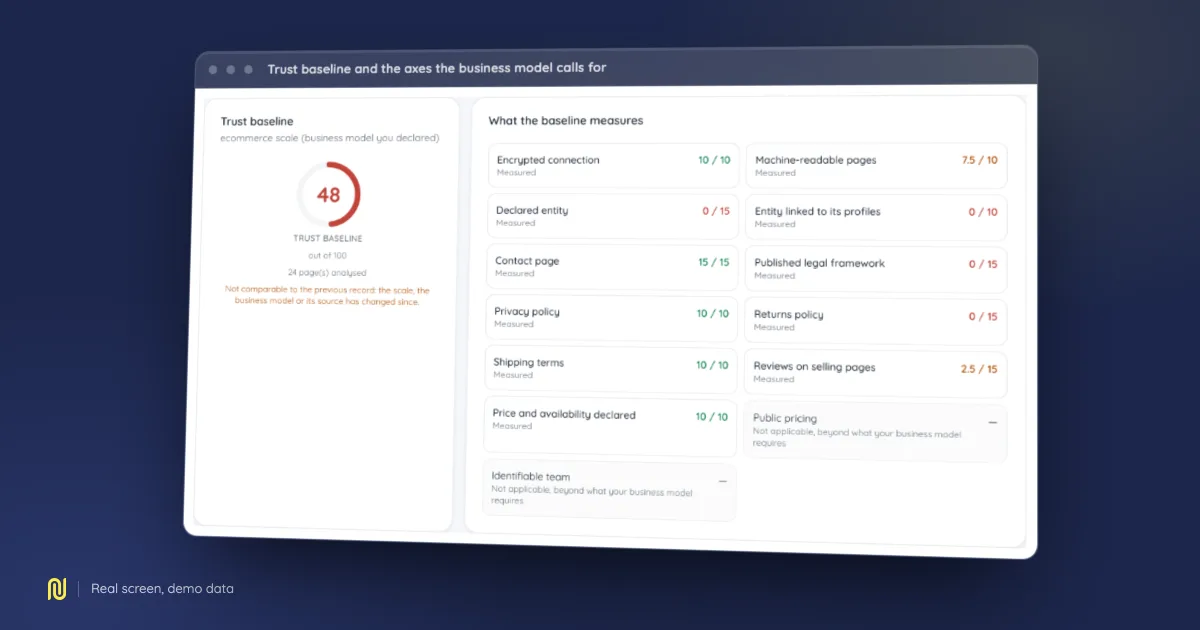
Screenshot of the Trust baseline and the axes the business model calls for screen in NessFlow, on a demo dataset.

featured in depth

E-E-A-T: your checklist depends on your business model

A hotel was losing ten trust points over a return policy it cannot have. Here are the fifteen checks that can actually be verified, which of them apply to your business, and the four traps that corrupt the reading.

The NessFlow team · · 11 min read
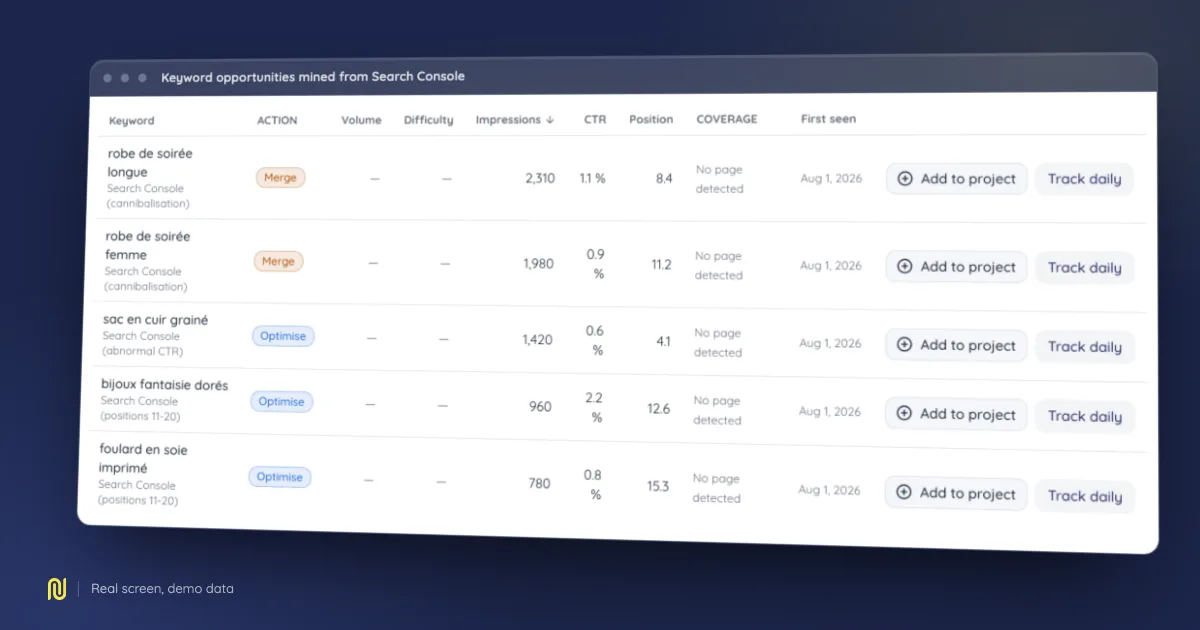
Screenshot of the Keyword opportunities mined from Search Console screen in NessFlow, on a demo dataset.

in depth

Keyword cannibalization: proving a conflict without counting pages

Two pages on one query prove nothing. Across 49 published detection methods, not one separates an engine that is hesitating from an engine that has decided. Here is the protocol that does, by hand, and what our own thresholds are worth.

The NessFlow team · · 14 min read

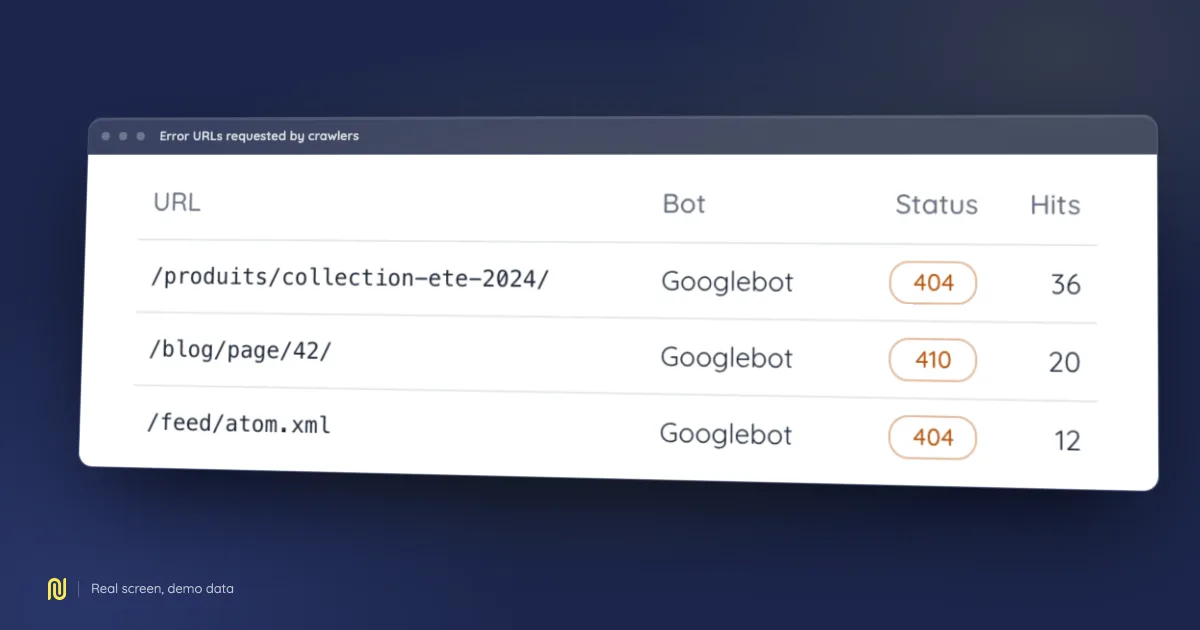
Screenshot of the Error URLs requested by crawlers screen in NessFlow, on a demo dataset.

Getting raw access logs out of shared hosting

With no server access, logs come through a control panel. Here is the checkbox that keeps them, and why some lines belong to other people’s sites.

The NessFlow team · · 2 min read

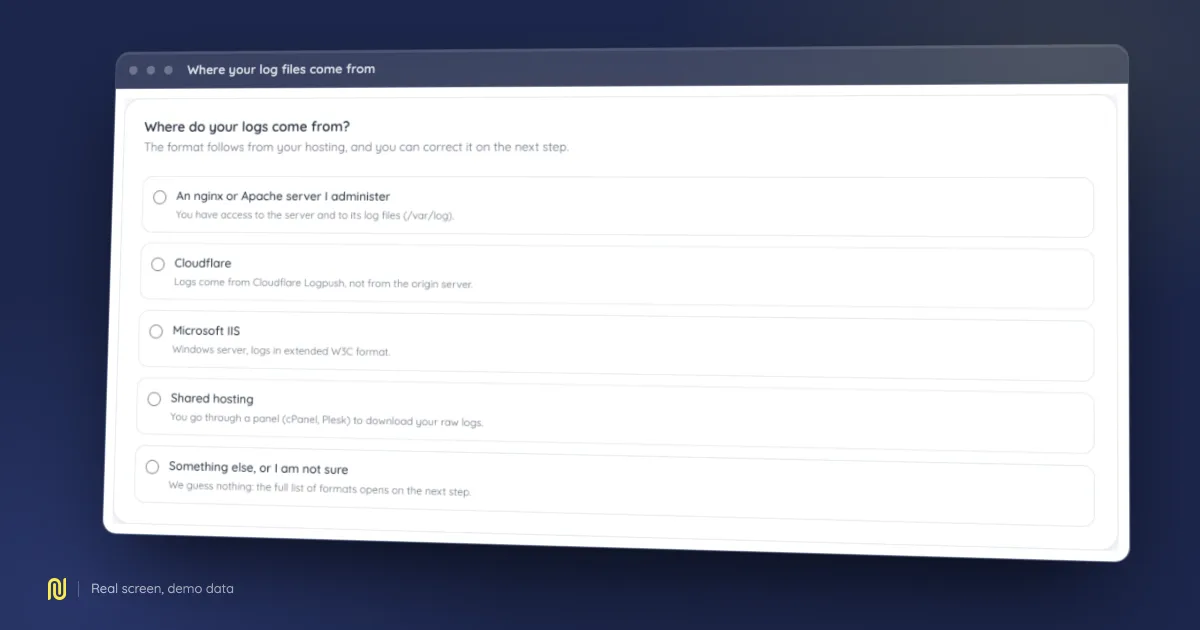
Screenshot of the Where your log files come from screen in NessFlow, on a demo dataset.

Exporting W3C log files from Microsoft IIS

IIS writes a header-driven format whose columns are ticked one by one. Here are the ones that count, and the box that is almost always missing.

The NessFlow team · · 2 min read

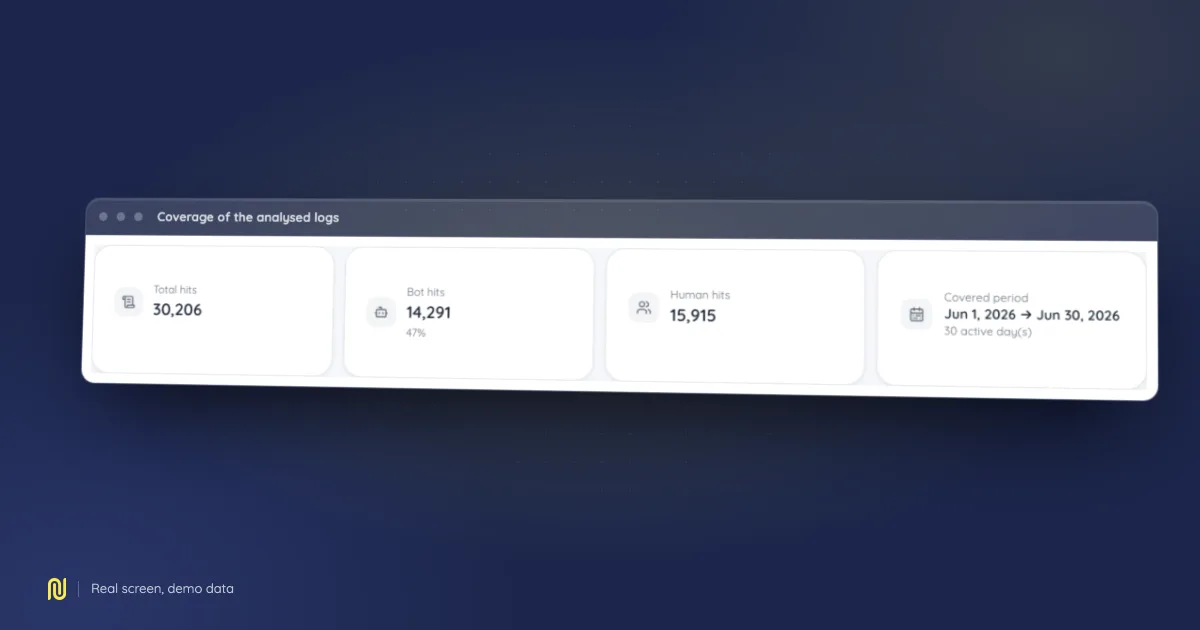
Screenshot of the Coverage of the analysed logs screen in NessFlow, on a demo dataset.

Getting your Cloudflare logs out with Logpush

Cloudflare answers for your server on a large share of traffic. Here is how to get its own logs, and what origin logs quietly leave out.

The NessFlow team · · 2 min read

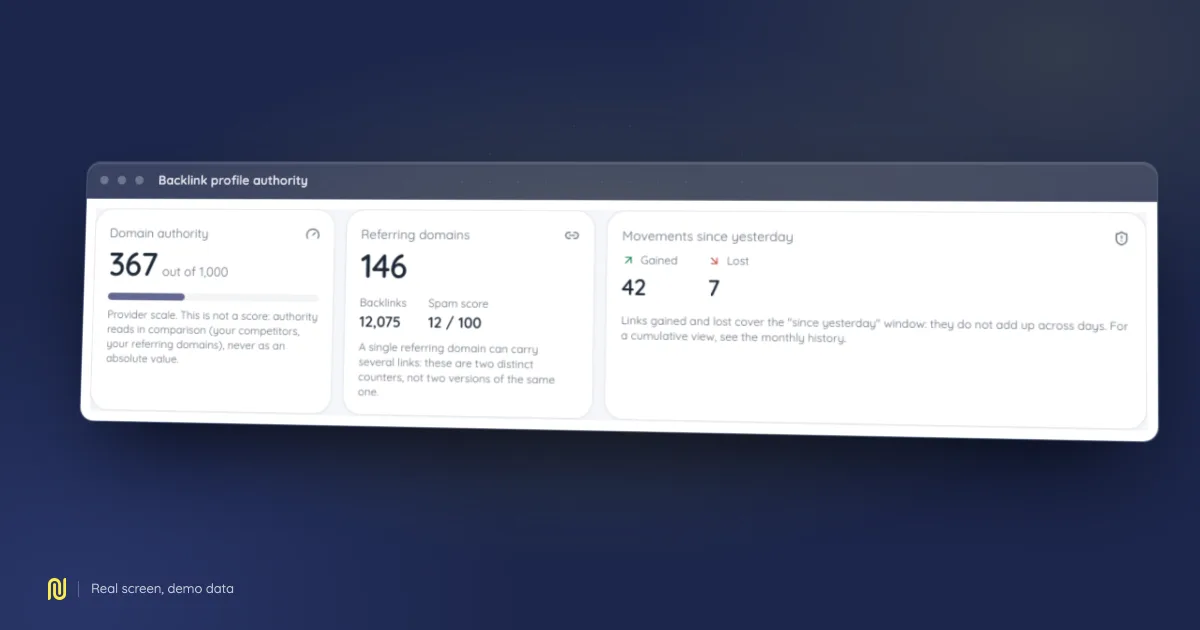
Screenshot of the Backlink profile authority screen in NessFlow, on a demo dataset.

in depth

How to analyse an inbound link profile: the method, not the score

A total of inbound links decides nothing. The five questions to ask a profile, how to count referring domains without counting them twice, what a purchased risk score is actually worth, and the one competitive comparison that produces a finding.

The NessFlow team · · 5 min read

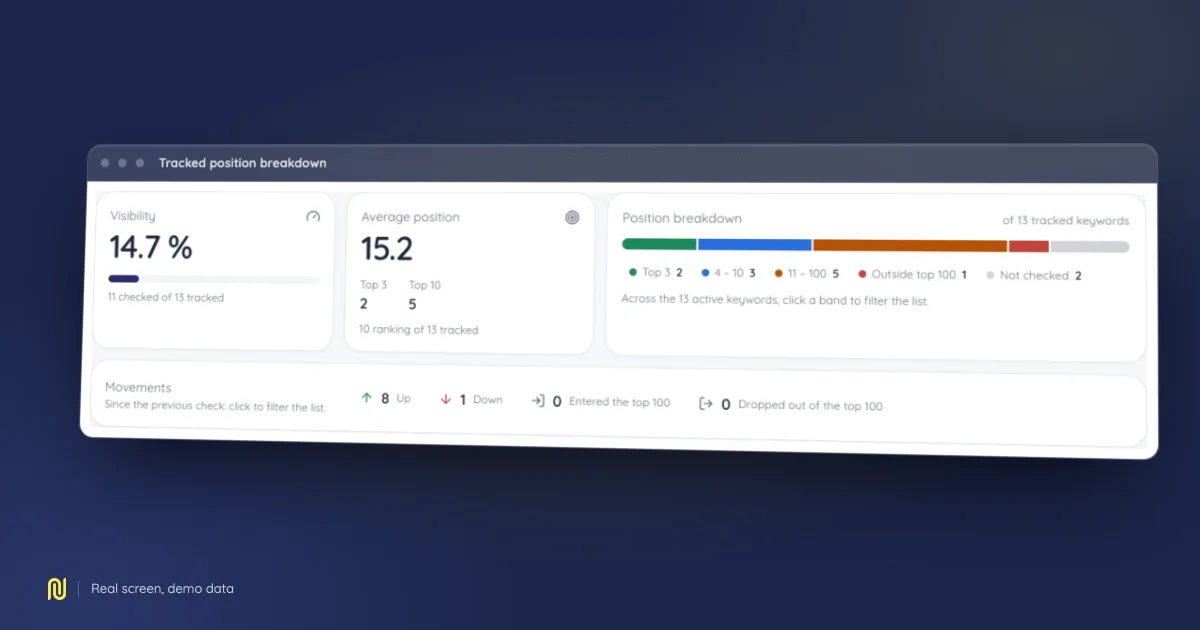
Screenshot of the Tracked position breakdown screen in NessFlow, on a demo dataset.

in depth

Rank tracking: building a reading that compares over time

A ranking is not a property of your page: it is the result of a measurement, and a measurement only compares against another taken under the same conditions. The five settings to freeze, the three states of a reading, and the reference to judge a drop against.

The NessFlow team · · 6 min read

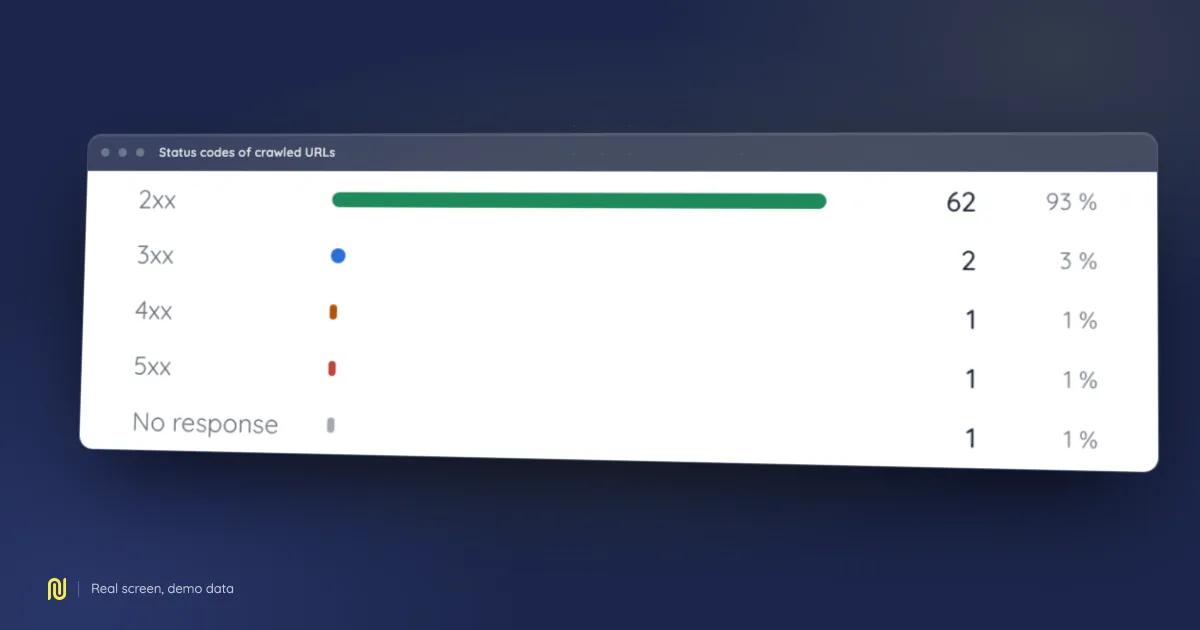
Screenshot of the Status codes of crawled URLs screen in NessFlow, on a demo dataset.

Redirects, canonicals and status codes: which URL gets indexed

Three families of signal decide which address an engine keeps, and they contradict each other far more often than teams expect. The six most common contradictions, and the three checks that tell you where you stand.

The NessFlow team · · 4 min read

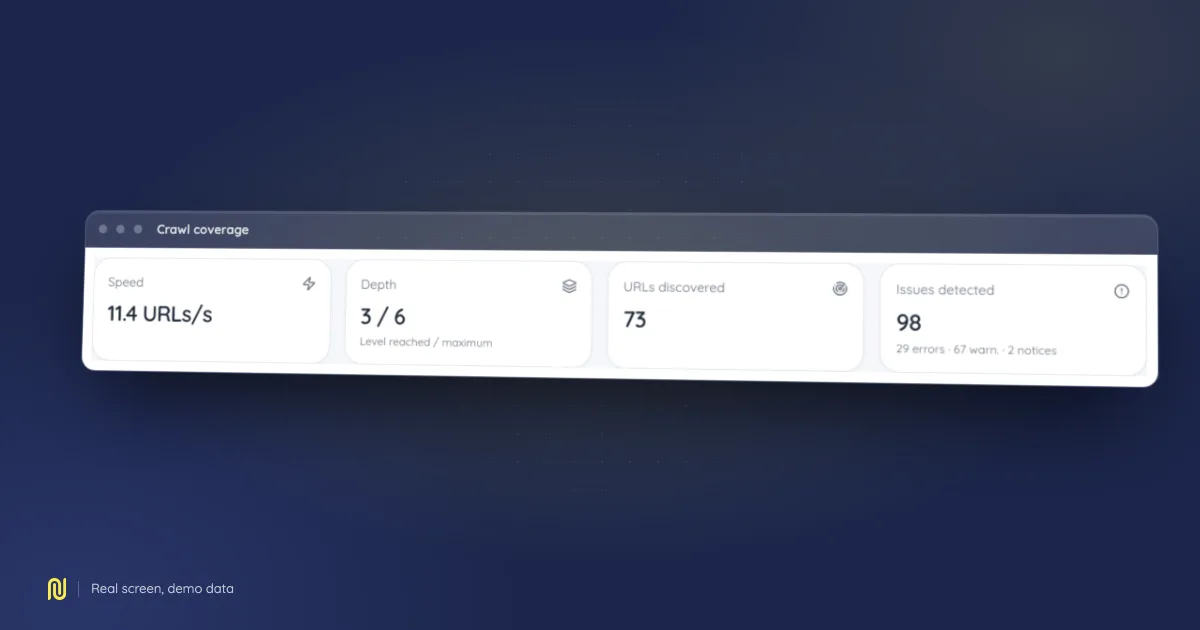
Screenshot of the Crawl coverage screen in NessFlow, on a demo dataset.

in depth

JavaScript SEO: getting a single-page app crawled

Why your React or Vue app looks empty to audit tools, how to check what an engine really sees, and the five defects that show up on nearly every project.

The NessFlow team · · 4 min read

Start with a measurement, not a promise

Run an audit on your own site and read what the engine finds. If you would rather be walked through it, book a demo: we run it on your site, with your own URLs on screen.

Access opens in waves: we email you when yours is ready.